Butler pantries are quickly becoming one of the most sought-after features in modern home design, and for good reason. Once considered a traditional luxury found in older estates, the butler pantry has made a strong comeback as homeowners prioritize both function and elevated everyday living. Positioned between the kitchen and dining areas, this transitional space acts as a hidden workhorse—helping to keep the main kitchen clean, organized, and visually streamlined while still supporting entertaining and daily routines.

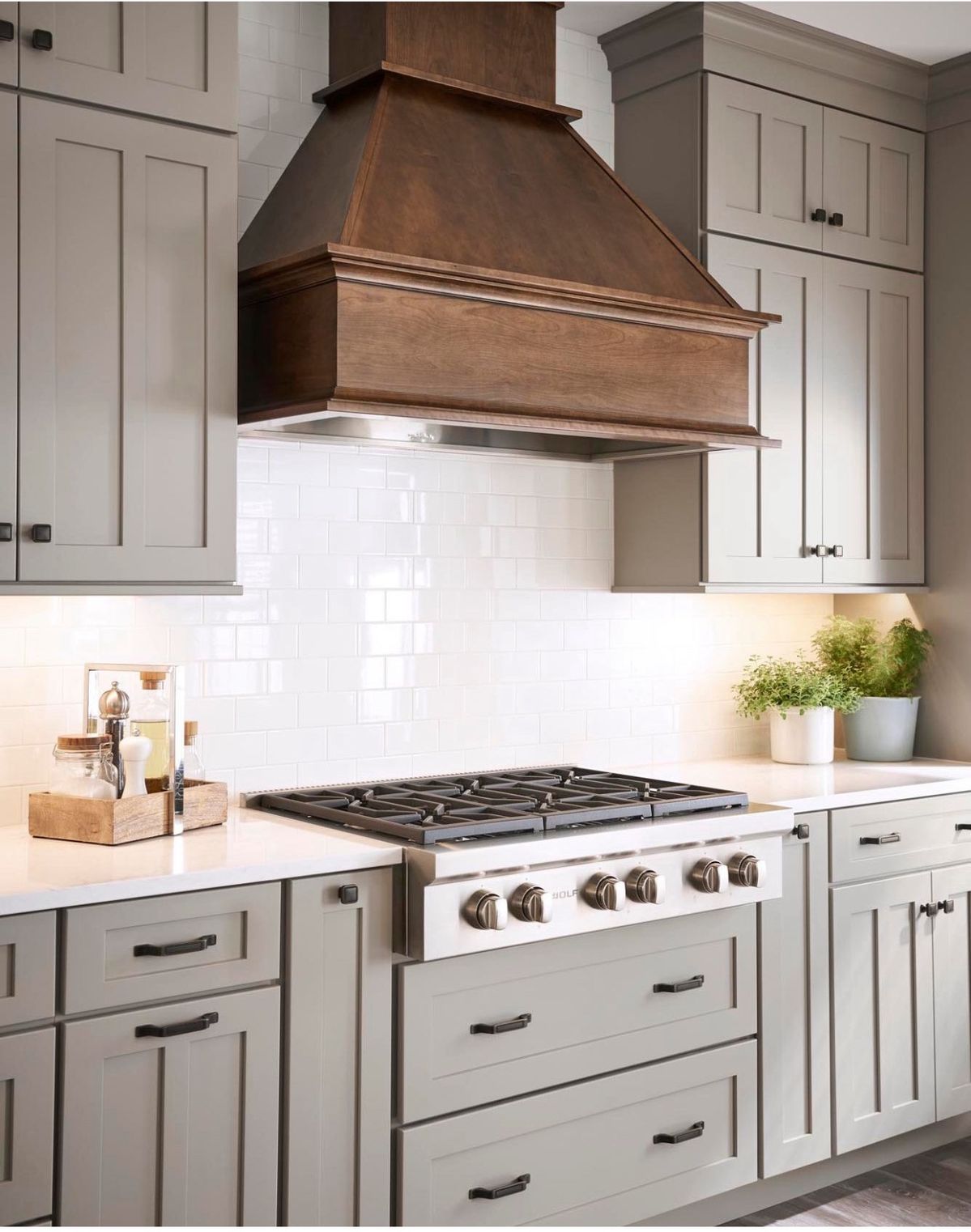
What makes today’s butler pantries so relevant is how adaptable they’ve become. They’re no longer just storage rooms for fine china; they’re often designed as multi-functional extensions of the kitchen. Many now include secondary sinks, coffee or beverage stations, under-counter refrigeration, and custom cabinetry for overflow pantry storage. Designers are also treating these spaces as an opportunity to introduce personality—experimenting with bold tile, rich paint colors, or statement lighting that might feel too heavy for a main kitchen but works beautifully in a more intimate setting.

Beyond function, butler pantries also reflect a growing desire for visual simplicity in primary living spaces. By relocating prep clutter, small appliances, and staging areas out of sight, the main kitchen can remain clean, open, and design-forward. This separation of “work” and “display” allows homeowners to enjoy a more curated aesthetic without sacrificing practicality. It’s a thoughtful response to how people actually live today—balancing entertaining, family life, and day-to-day convenience.

As homes continue to evolve toward more intentional and layered design, the butler pantry stands out as a feature that blends heritage with modern living. It’s a smart spatial solution that enhances both beauty and functionality, proving that the most valuable design choices are often the ones you don’t immediately see.

.jpg)