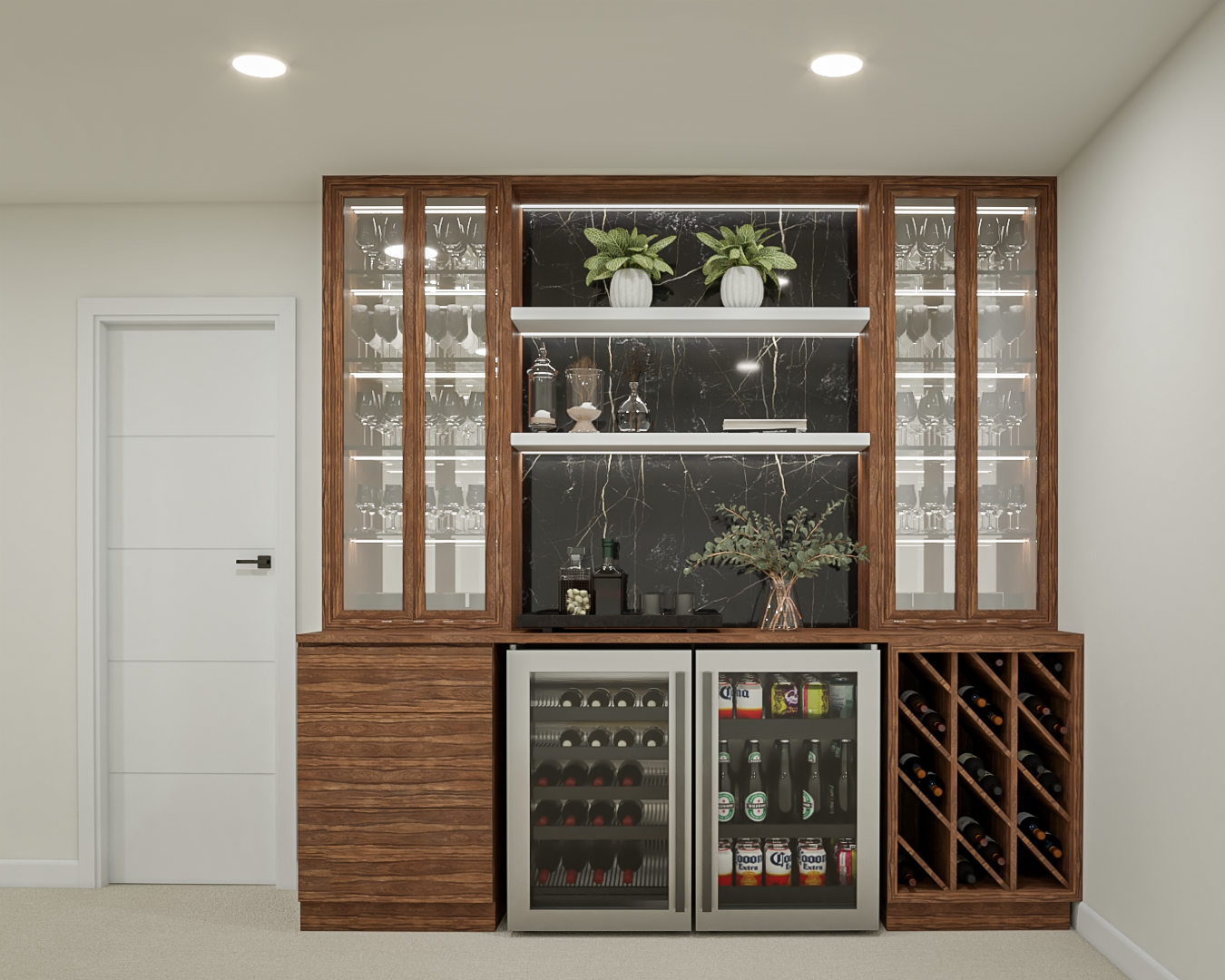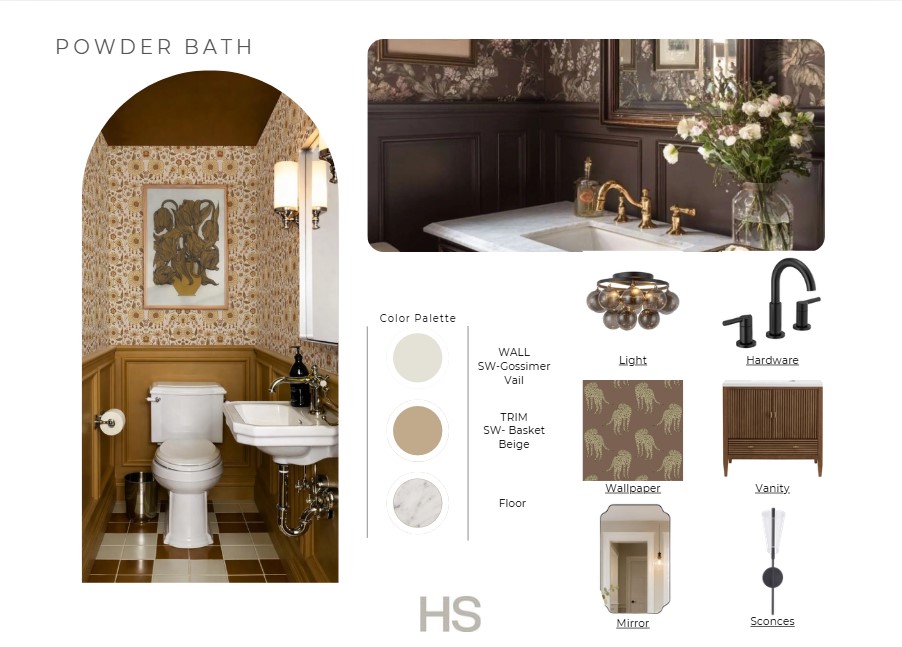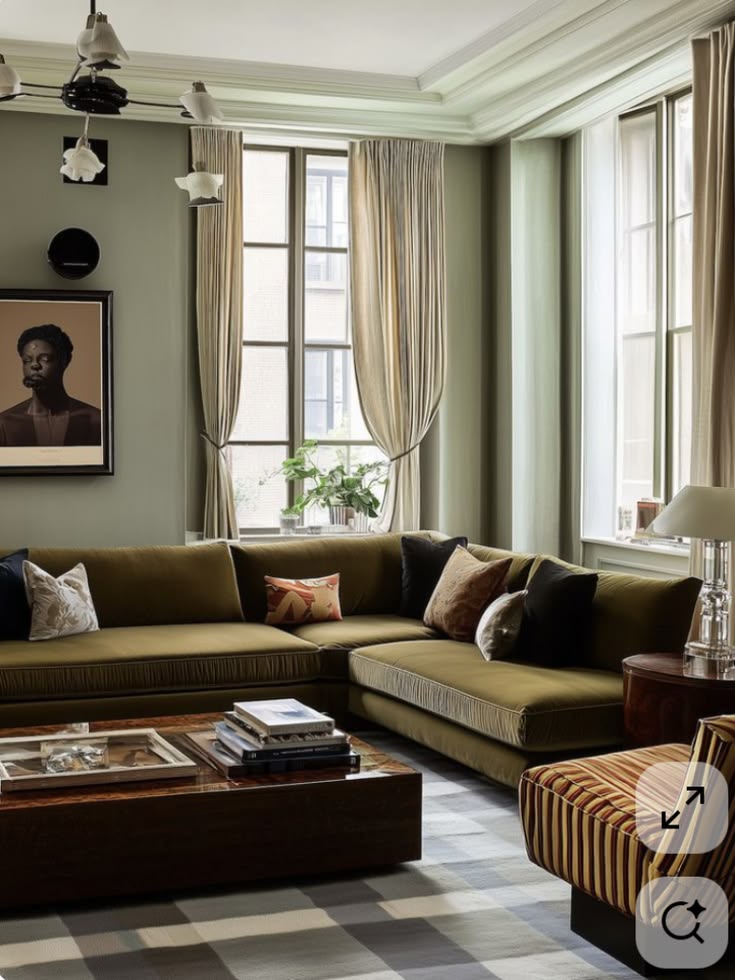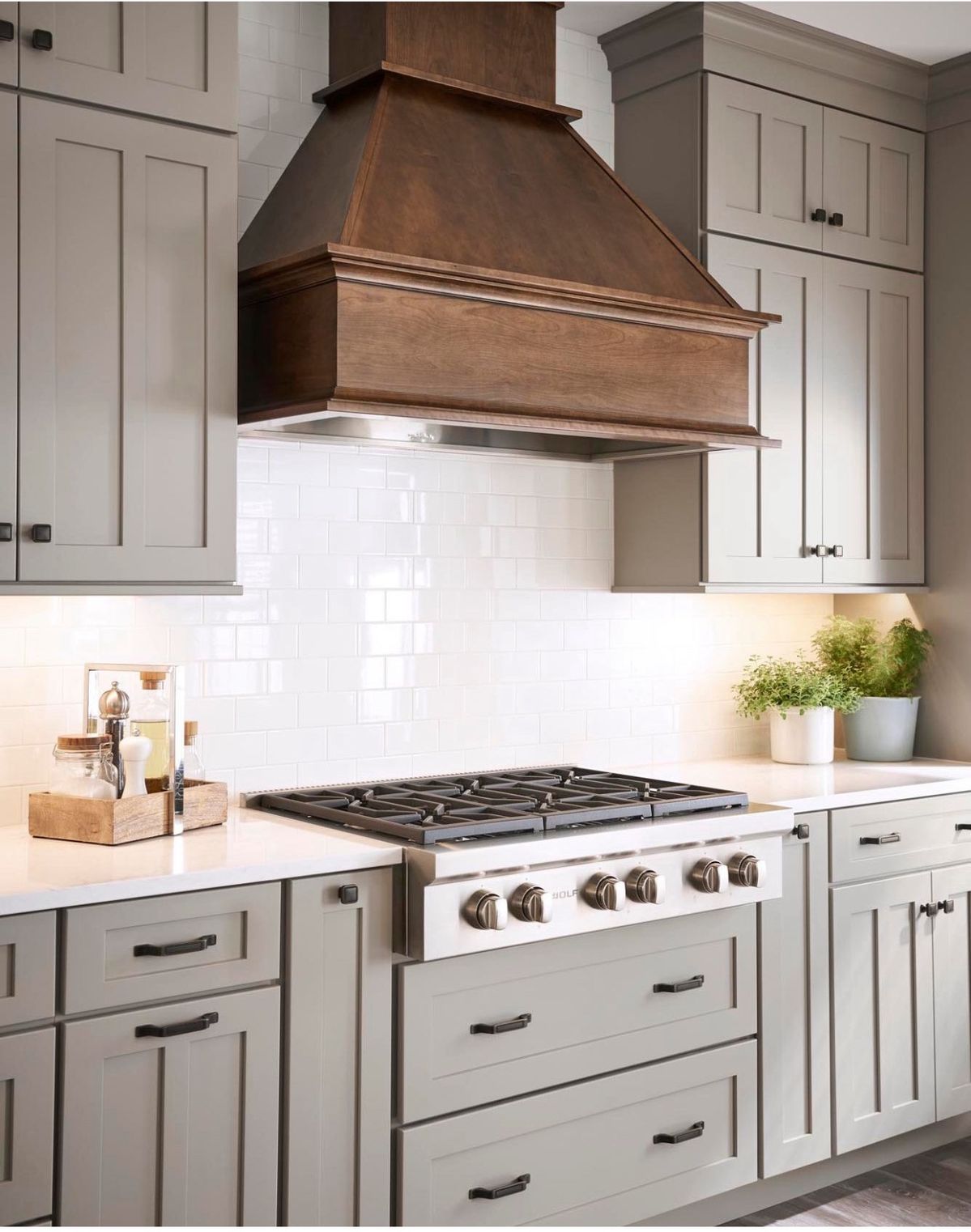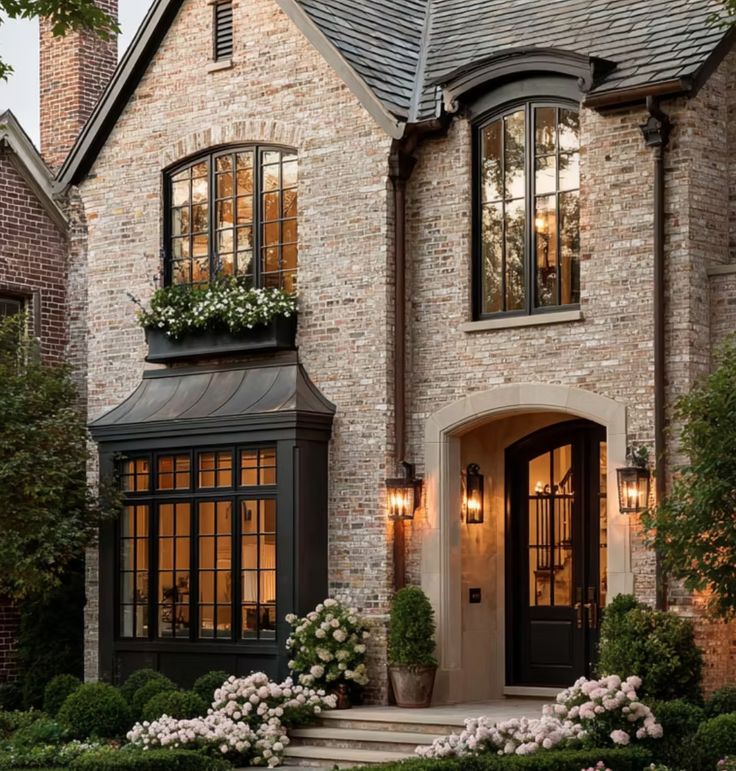
Let’s talk about trends, especially as they relate to building new homes or remodeling existing ones.
Trends can be exciting. They often feel fresh, aspirational, and reassuring, especially when making big decisions about a home. But lately, we’ve reached a point where certain trends have become so widespread that they’ve begun to erase individuality, regional character, and even craftsmanship.
Across much of the Midwest (and beyond), we’ve seen the rise of the modern farmhouse exterior, with black windows, white siding, high contrast finishes — repeated again and again until entire neighborhoods look nearly identical. Regarding the interior, you may have heard the term “millennial gray”: gray floors, gray walls, gray black and white everything. Spaces that feel safe and neutral, but often lack soul, warmth, or a sense of place.
The Pendulum of Trends
Design trends tend to move like a pendulum. When styles become overly modern, minimal, or stark, there’s almost always a counter-movement toward warmth, tradition, and texture. People get tired of seeing the same thing. What once felt cutting-edge quickly becomes dated through overuse.
This is why I gently urge anyone building or remodeling to pause before chasing what’s currently trending. Trends are, by nature, temporary. Your home, or the home you’re renovating, deserves more intention than that.
Designing With Place in Mind
One of the most timeless approaches to exterior design is also one of the simplest: let your home respond to its environment.
Look around. What materials exist naturally in your region? Stone, brick, wood species, and earth-toned palettes - these elements have stood the test of time because they belong where they are used. When a home reflects its geographic location through material choice, form, and color, it feels authentic rather than performative.
Classic shapes, thoughtful proportions, and natural materials age far more gracefully than trend-driven finishes. When you take inspiration from your immediate surroundings, your home becomes timeless, not trendy, almost effortlessly.
Interiors: Beyond the Quick Flip Mentality
There has been a growing habit of purchasing homes, applying the quickest and cheapest gray remodel possible, and reselling at a premium. While this may feel efficient or profitable, it often comes at a cost, both to the integrity of the home and to the people who will eventually live in it.
Homes filled with character, craftsmanship, and warmth are stripped down into generic spaces that feel temporary and impersonal. At the same time, families seeking affordable housing are left paying more for homes that offer less soul, less quality, and less longevity.
Suppose you’re planning to generate income through a home, whether as a flip, rental, or Airbnb, I encourage you to approach the project with care and moral responsibility. Do the work well. Choose materials that last. Create spaces that feel inviting rather than disposable.
A rental can still be cozy and intimate. An Airbnb can be full of character and charm. Profit and integrity do not have to be at odds.
Choosing Craftsmanship Over Convenience
We don’t need more overpriced homes dressed in black, white, and gray simply because it feels safe or sells quickly. What we need are homes designed with discernment, homes that value craftsmanship, warmth, and thoughtful decision-making.
This doesn’t mean modern design has no place. It does. And it doesn’t mean everyone has an unlimited budget; that’s not realistic. But even within constraints, choices can be made with intention. Warm neutrals instead of cold grays. Timeless materials instead of trend-driven finishes. Fewer shortcuts, more care.
A Gentle Encouragement
At the end of the day, my hope is simple: that we slow down.
That we stop chasing trends and quick cash, and instead lean into building and renovating homes that last - homes with warmth, character, and integrity. Use discernment. Lead with morals. Choose classic design principles that honor both the house and the people who will live within it.
A well-designed home doesn’t shout what year it was built or remodeled. It quietly belongs, and that is always in style.