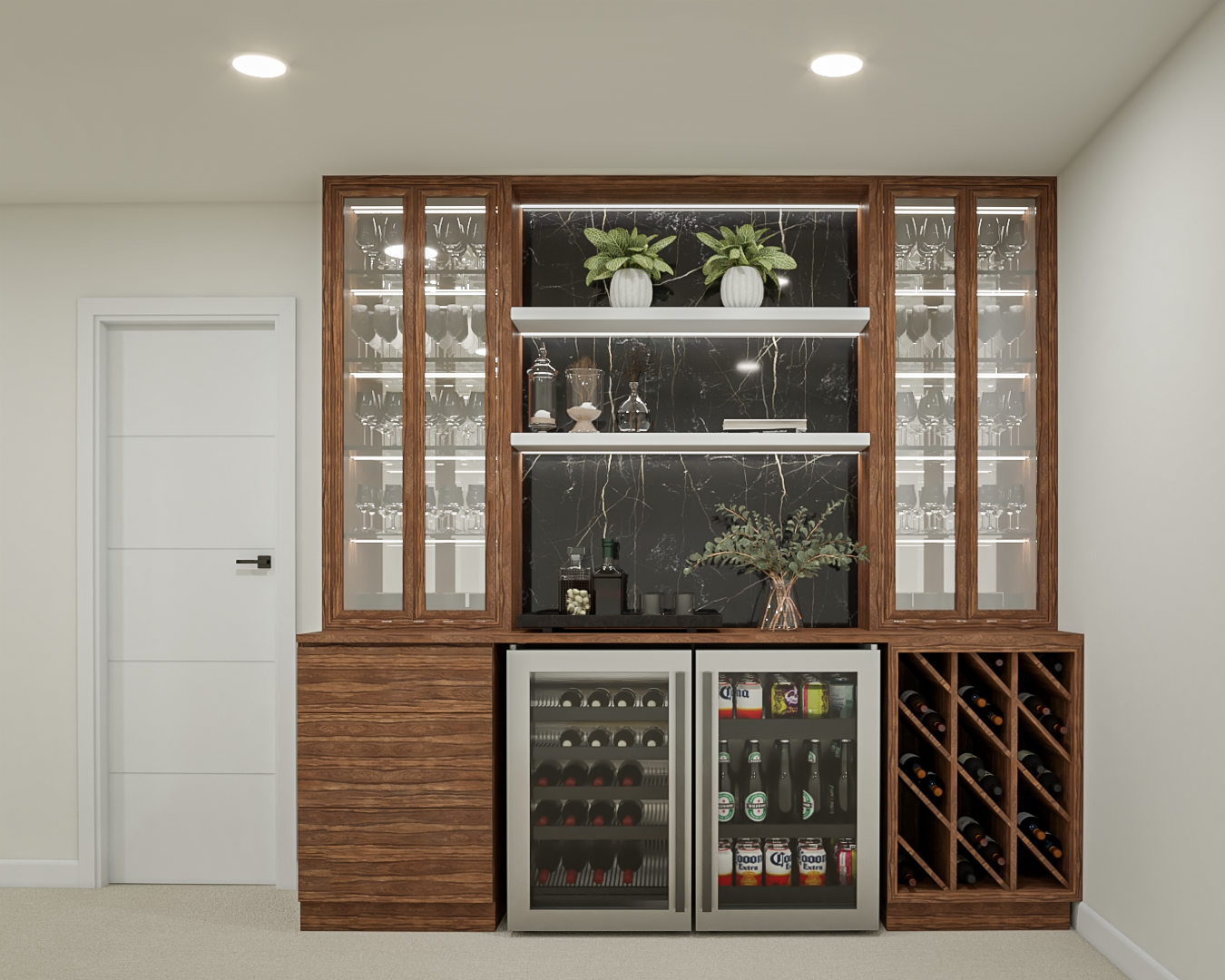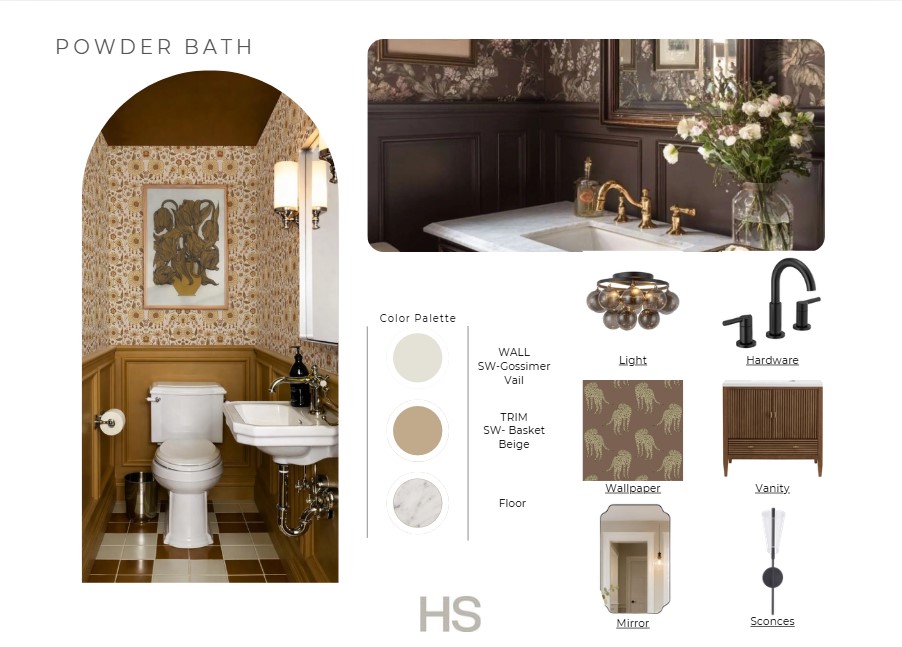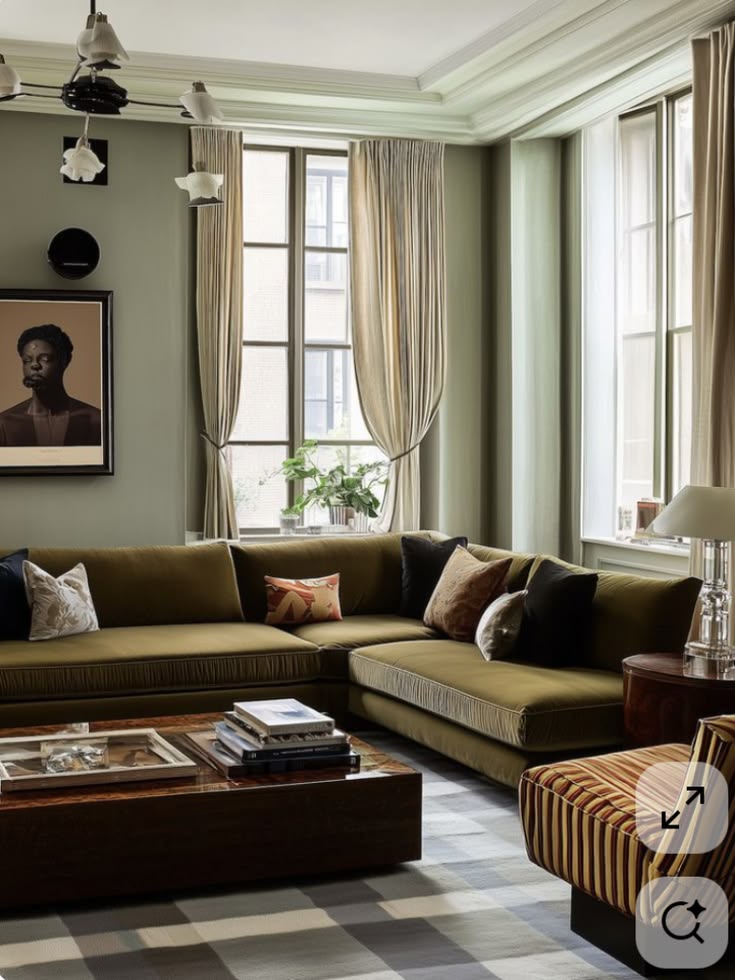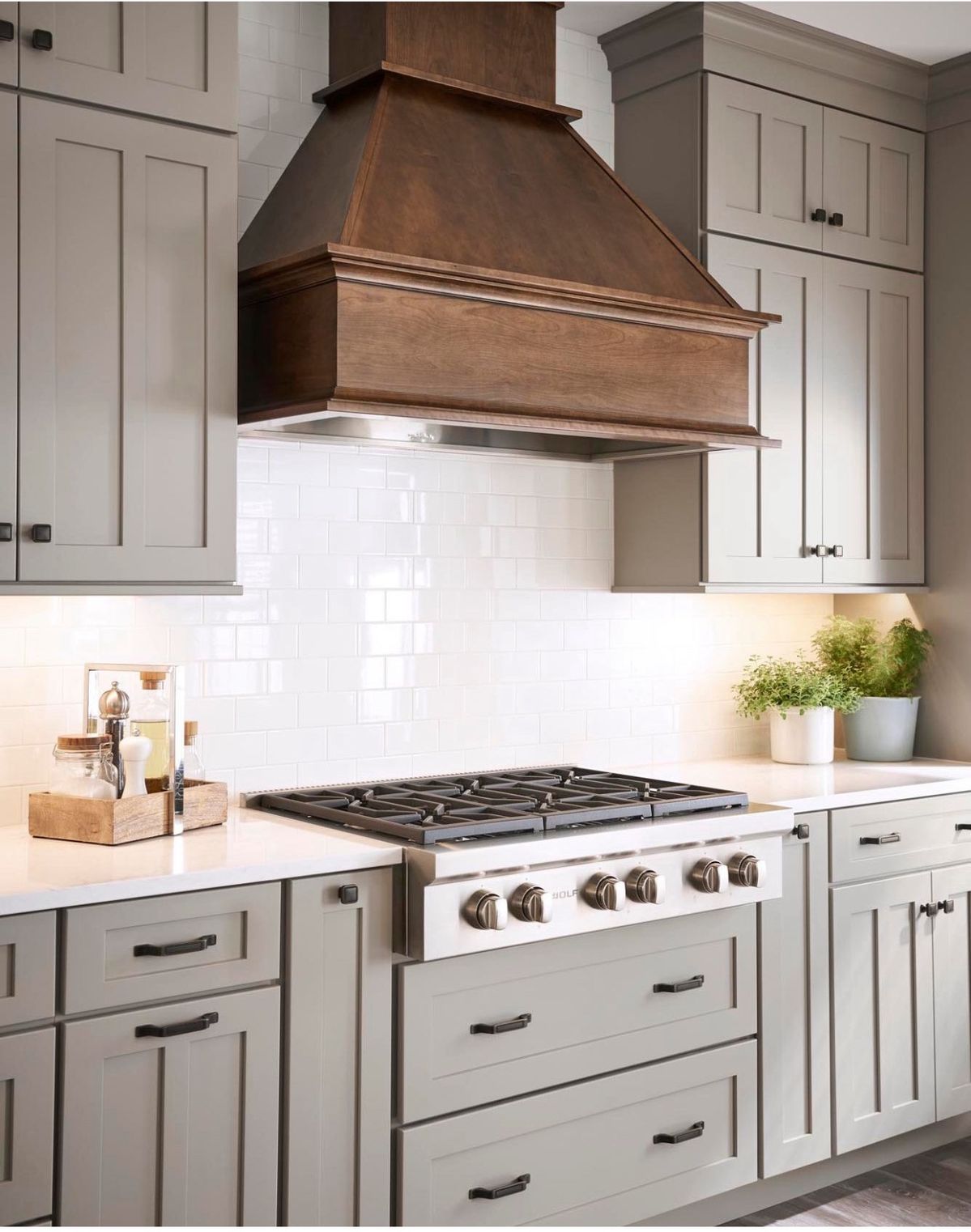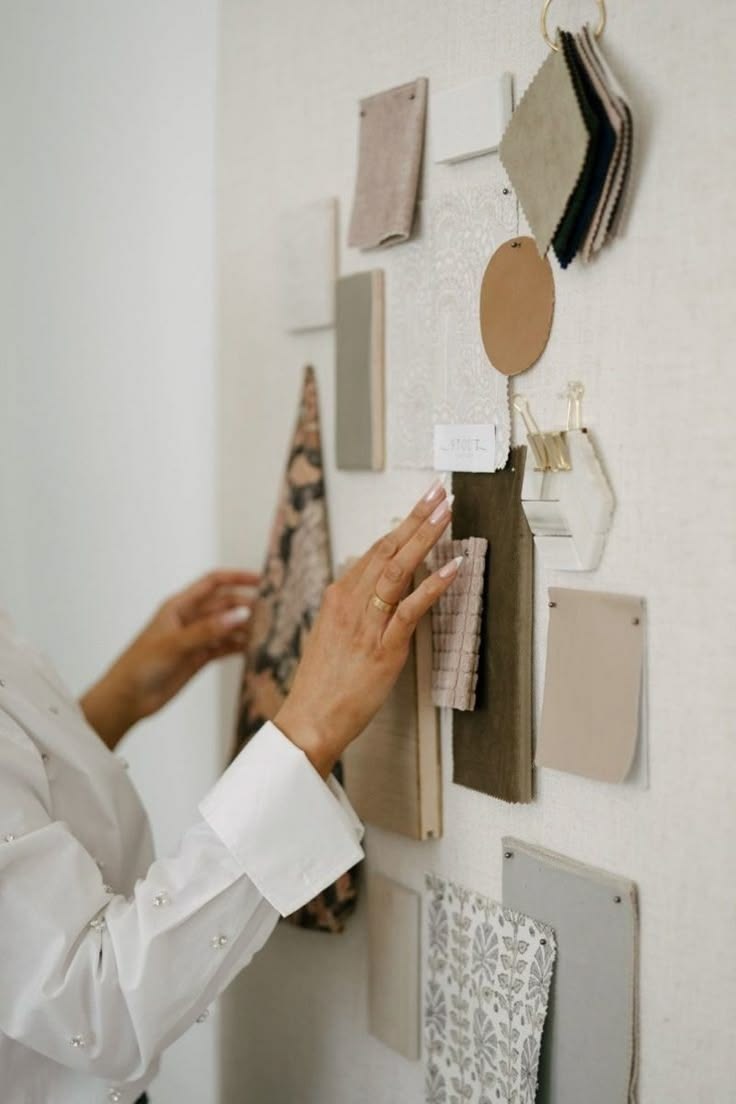
So... Everyone Keeps Asking You to Decorate Their House?
Maybe you're the person who rearranges furniture just for fun.
Maybe you've spent hours choosing the perfect paint color, sourcing vintage décor, or creating mood boards that no one asked for.
Maybe your friends send you Zillow listings before they even call their realtor because they want to know what you would do with the space.
If you've ever caught yourself thinking, "I wish I could do this for a living," this blog is for you.
The truth is, not every designer starts with the title Interior Designer. Many begin as someone who simply loves creating beautiful, functional spaces.
You Might Already Think Like a Designer If...
- You notice architectural details that everyone else walks past.
- Rearranging a room is genuinely fun to you.
- You can visualize how a space could look before anything changes.
- You save inspiration photos constantly.
- You enjoy mixing textures, finishes, and colors.
- People regularly ask for your decorating advice.
- You care just as much about how a space feels as how it looks.
Sound familiar?
That's more than just liking pretty homes. It's the foundation of design thinking.
Decorating vs. Interior Design
This is where many people get confused.
Decorating focuses on the finishing touches—the furniture, artwork, pillows, paint colors, and styling that make a home feel complete.
Interior design goes much deeper.
Professional designers consider how people live within a space. They solve functional problems, develop floor plans, coordinate construction details, specify materials, communicate with contractors, understand building codes, and create spaces that are both beautiful and practical.
The creative side is still there—it's just paired with technical knowledge, project management, and problem solving.
Where Do You Start?
If you're thinking about turning your passion into a career, here's a roadmap.
1. Train Your Eye
Study spaces you love.
Instead of simply saving photos, ask yourself why they work.
- What colors were used?
- How is the furniture arranged?
- Why does the lighting feel inviting?
- What materials complement each other?
Learning to analyze design is just as important as admiring it.
2. Learn the Fundamentals
Beautiful spaces aren't created by accident.
Spend time learning:
- Space planning
- Scale and proportion
- Color theory
- Lighting design
- Materials and finishes
- Architectural styles
- Construction basics
These principles become the foundation you'll use on every project.
3. Practice—A Lot
Design your own home.
Help family members.
Volunteer to redesign a friend's living room.
Create digital mood boards.
Practice floor plans.
Render ideas.
Every project teaches you something new.
4. Build a Portfolio
You don't need paid clients to begin.
Document your work.
Take before-and-after photos.
Create concept boards.
Show your process—not just the finished result.
Potential employers and future clients want to see how you think.
5. Learn the Business Side
One of the biggest surprises for aspiring designers is realizing that design is only part of the job.
Professional designers also spend time:
- Meeting with clients
- Writing proposals
- Managing budgets
- Coordinating with contractors
- Ordering materials
- Tracking shipments
- Solving unexpected challenges
- Communicating timelines
Great design is equal parts creativity and organization.
6. Consider Formal Education
While there are many paths into the industry, education can provide a strong technical foundation.
Whether it's earning a degree in interior design, studying architecture, completing certifications, or taking specialized courses, investing in your knowledge can open doors and help you build confidence.
Learning never really stops in this industry.
7. Find Mentors and Real-World Experience
Nothing replaces seeing the process firsthand.
Internships, job shadowing, and working alongside experienced designers give you insight that no textbook can.
Watching how professionals manage clients, solve problems, and bring projects to life is one of the fastest ways to grow.
Remember: Every Designer Started Somewhere
No one begins by designing million-dollar homes.
Every professional designer once stood exactly where you are now—with curiosity, creativity, and a love for beautiful spaces.
The difference wasn't that they were born knowing everything.
They simply kept learning.
They kept practicing.
They kept saying yes to opportunities.
And little by little, their passion became a profession.
A Note From Our Team
At Hardt Studio, we absolutely love meeting people who have a natural eye for design. Some of the best designers we've worked with didn't discover their calling overnight—it started with helping friends pick paint colors, rearranging their own living room for the tenth time, or spending weekends wandering furniture stores simply because they enjoyed it.
If that's you, don't ignore that spark.
Stay curious. Keep learning. Ask questions. Study great design. Find mentors. Practice whenever you can.
Who knows? The room you're redesigning for fun today might just be the first step toward the career you've been dreaming about.